RV and Motorhome Odor Removal in the Denver Area
An RV is a small, sealed space full of fabric, foam, and carpet, and odor settles into all of it. Smoke, mildew, and rodent odors can be treated so the rig is pleasant to travel in, or to sell.
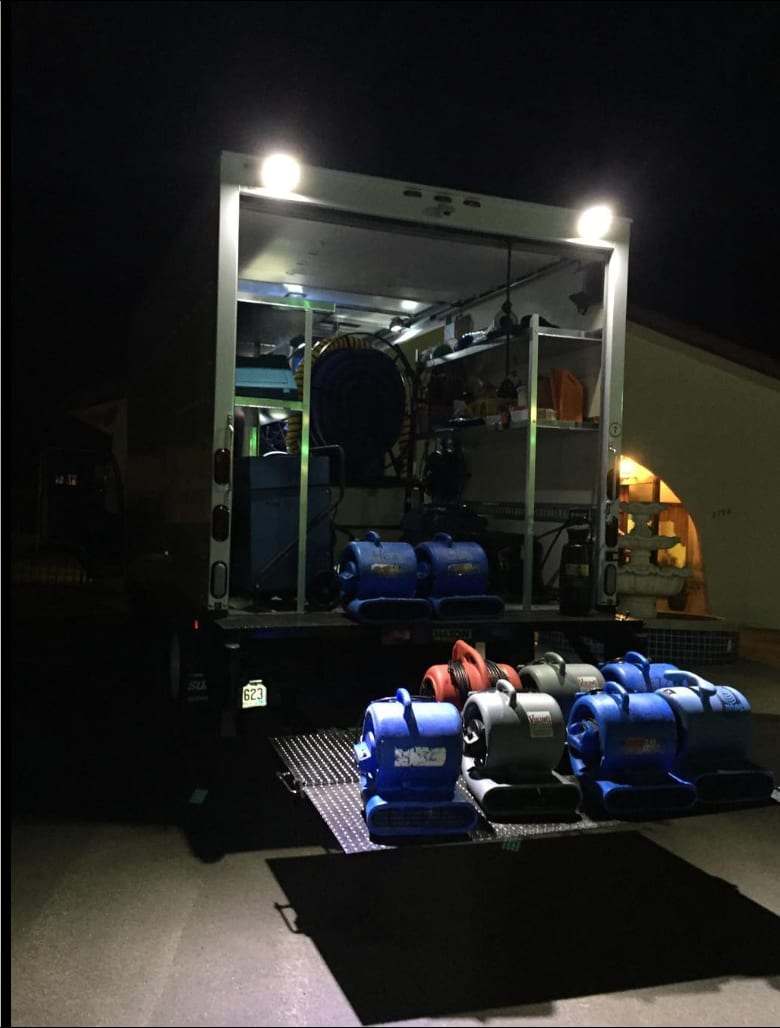
RVs in the Denver area
With mountain campgrounds and national parks within a few hours' drive, the Denver area has a large community of RV owners. Many rigs spend long stretches in storage lots between trips, sometimes through snowy winters, which is when mildew and stale odors develop.
Some odor removal providers also work on boats and other vehicles. Ask about scheduling and where treatment can take place when you request a quote.
- This guide covers the Denver metro area; in farther locations, ask a provider whether they travel to you.
- Venting and dehumidifying rigs in storage helps prevent mildew.
- Leaks should be repaired by an RV technician before odor treatment.
- Boats and other vehicles can often be treated too; ask the provider.
ZIP codes served: 80203 (Denver), 80218 (Denver), 80202 (Denver), 80205 (Denver), 80206 (Denver), 80204 (Denver), 80209 (Denver), 80211 (Denver), 80223 (Denver), 80216 (Denver), 80220 (Denver), 80246 (Denver), 80207 (Denver), 80212 (Denver), 80219 (Denver), 80214 (Denver), 80210 (Denver), 80230 (Denver), 80224 (Denver), 80221 (Denver), 80222 (Denver), 80266 (Denver), 80226 (Denver), 80238 (Denver), 80247 (Denver), 80010 (Aurora), 80232 (Denver), 80110 (Englewood), 80113 (Englewood), 80236 (Denver), 80033 (Wheat Ridge), 80030 (Westminster), 80231 (Denver), 80215 (Denver), 80003 (Arvada), 80002 (Arvada), 80045 (Aurora), 80227 (Denver), 80229 (Denver), 80237 (Denver), 80012 (Aurora), 80235 (Denver), 80239 (Denver), 80260 (Denver), 80004 (Arvada), 80014 (Aurora), 80123 (Littleton), 80249 (Denver).
Also nearby: 80121, 80031, 80120, 80111, 80011, 80228, 80005, 80122, 80233, 80017, 80419, 80640, 80234, 80021, 80015, 80013, 80112, 80241, 80128, 80129, 80401, 80022, 80126, 80020, 80007, 80453, 80465, 80130, 80124, 80454, 80018, 80019, 80602, 80023, 80016, 80127, 80457, 80125, 80601, 80131, 80403, 80026, 80134, 80137, 80108, 80516.
What makes RV odors different
RVs combine the challenges of a vehicle and a home: dense upholstery and foam cushions, carpet over thin subfloors, cabinets and closets with little airflow, and roof air conditioners and furnaces that recirculate air. Sitting in storage between trips lets odors concentrate, and roof or window leaks can introduce mildew.
A thorough RV job usually starts by finding where odor is concentrated, treating fabrics, surfaces, and air pathways, and, when it fits the job, using a controlled whole-interior treatment. If mildew is tied to an active leak, that leak needs repair first.
A Denver-area guide to RV odors: trace the source (tanks, rodents, or moisture) before any treatment.
If mildew is tied to an active leak, that leak needs repair first.
Inside the rig: where odor lives
- Dinette and sofa cushions
- Thick foam soaks up spills, smoke and moisture.
- Mattresses and bunks
- Body moisture and humidity in a small sleeping area.
- Carpet and wall panels
- Thin carpet over plywood floors; fabric-covered walls hold smoke.
- Roof vents and AC
- Air units recirculate whatever is in the cabin; leaks around vents bring water in.
- Under-sink and storage bays
- Slow plumbing drips and forgotten food.
- Holding tanks and plumbing
- Tank and vent problems are mechanical: an RV service shop fixes those first.
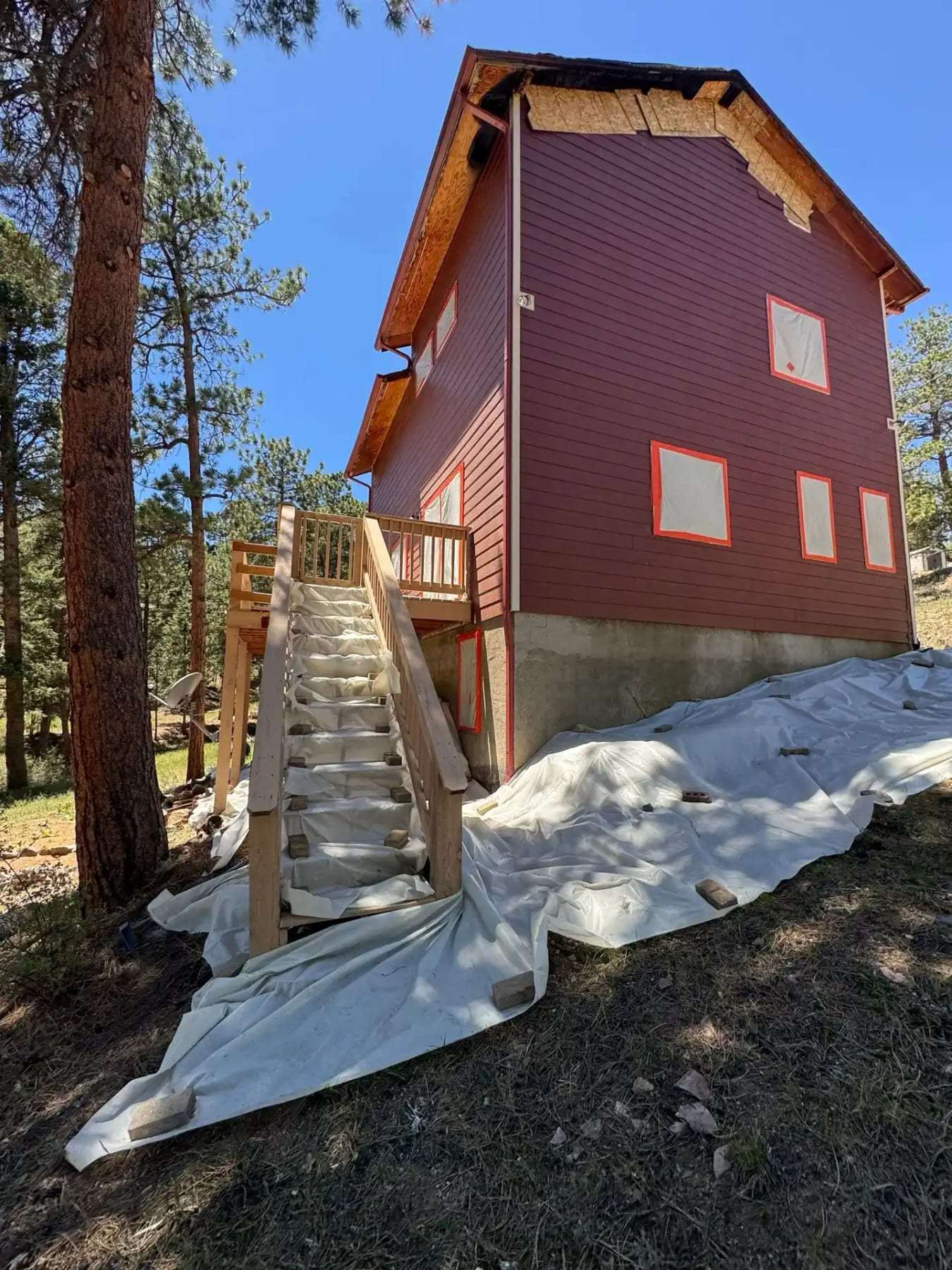
After winter storage
A rig closed up for the Colorado winter can open in spring smelling musty or worse. Common causes: condensation inside a sealed cabin, a roof or window leak that went unnoticed, rodents that moved in, and food left in a cabinet. Look for water stains around vents and windows and for droppings in storage bays before booking treatment, so the right problem gets fixed first.
Before treatment
- Check for active leaks around the roof, windows, and slide-outs, and get them repaired.
- Have holding-tank and plumbing-vent issues addressed by an RV technician if that's the source.
- Remove personal items, bedding, and anything washable.
- Replace air conditioner and furnace filters if accessible.
Common RV situations
- 1.
Used motorhome from a smoker
A buyer purchases a Class C motorhome and finds the smoke smell intensifies once the roof AC runs.
- 2.
Musty after winter storage
A travel trailer stored over winter smells musty when opened in spring, traced to a slow window leak.
- 3.
Preparing to sell
An owner wants a lingering mouse-nest smell out of the dinette and storage bays before listing a fifth-wheel.
RV odor treatment process
Each rig is assessed so treatment targets the actual source.
1 Identify sources
Inspect cushions, carpet, cabinets, bedding areas, and air systems.
2 Assess materials
Determine which materials can be treated and whether any should be replaced.
3 Scope and quote
Explain the plan and anything that may affect results before work begins.
4 Treat
Treat sources and perform a controlled whole-interior treatment when appropriate, followed by ventilation.
5 Review
Go over results and tips for storage that limit odor build-up.
More on RV odors
Guides and examples for storage season, smoke and mildew in rigs.
Guides18
- Black tank smell inside the coach: finding the leak path
- Sour gray water and sink drain smells in a camper
- Why turning on the roof fan can make the RV smell like the tank
Checklists9
- A season-by-season RV odor calendar for Front Range owners
- Questions to ask before agreeing to RV odor treatment
- RV moisture spot-check table: ten places to test
Describe your RV odor
This form is not connected. This website is a draft preview: no business has been confirmed to receive requests, so the fields below are switched off and nothing can be sent. In an emergency, call 911.
RV odor questions
Can smoke odor be removed from an RV?
In most cases. Smoke residue is treated in fabrics, surfaces, and air systems, and a controlled whole-interior treatment may be recommended. Heavily saturated cushions may be better replaced.
Why does my camper smell musty every spring?
Closed-up storage traps humidity, and small leaks introduce moisture. Fix leaks, vent or dehumidify during storage, and treat existing odor.
Will treatment fix a holding-tank smell?
Not if the cause is a plumbing, seal, or vent problem. That should be repaired by an RV technician first; residual odor can then be treated.
Does the RV need to be empty during treatment?
Personal items should be removed, and everyone must stay out during controlled whole-interior treatments until ventilation is complete.
Can a boat be treated the same way?
Often, yes. Boats have similar fabrics, foam, and closed-up storage. Ask whether a provider works on boats and on your type of vessel.
Is ozone used on RV upholstery and rubber seals?
Ask before booking. Ozone generators can be hard on rubber, vinyl, and some fabrics, and synthetic fragrances only cover odor. Ask whether either will be used.
The RV smells like sewage. Is that an odor treatment job?
Usually not at first. Sewage smells inside an RV typically come from the holding-tank system: a dry trap, a failed seal, a blocked roof vent or a tank sensor issue. An RV service technician should check that first. Once the mechanical problem is fixed, any lingering odor in fabrics and surfaces can be treated.